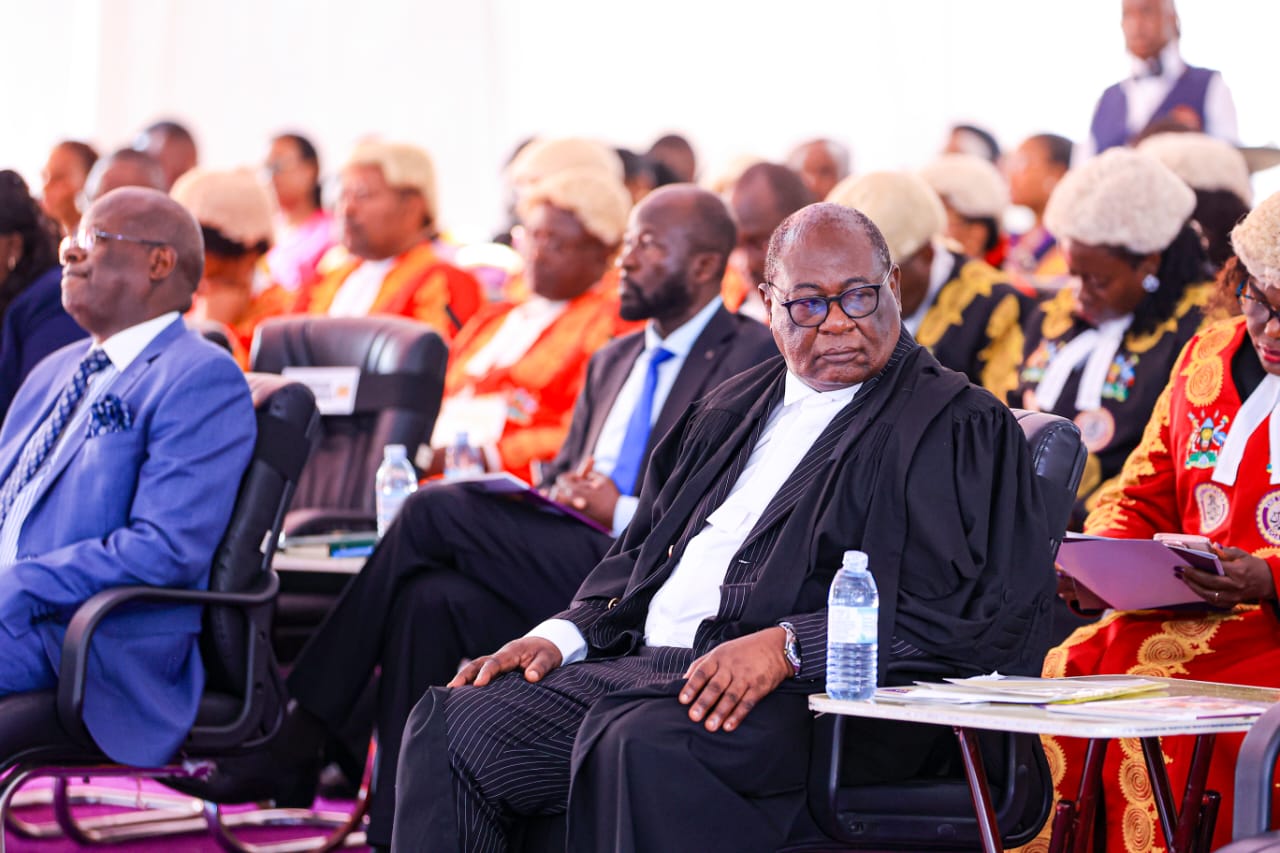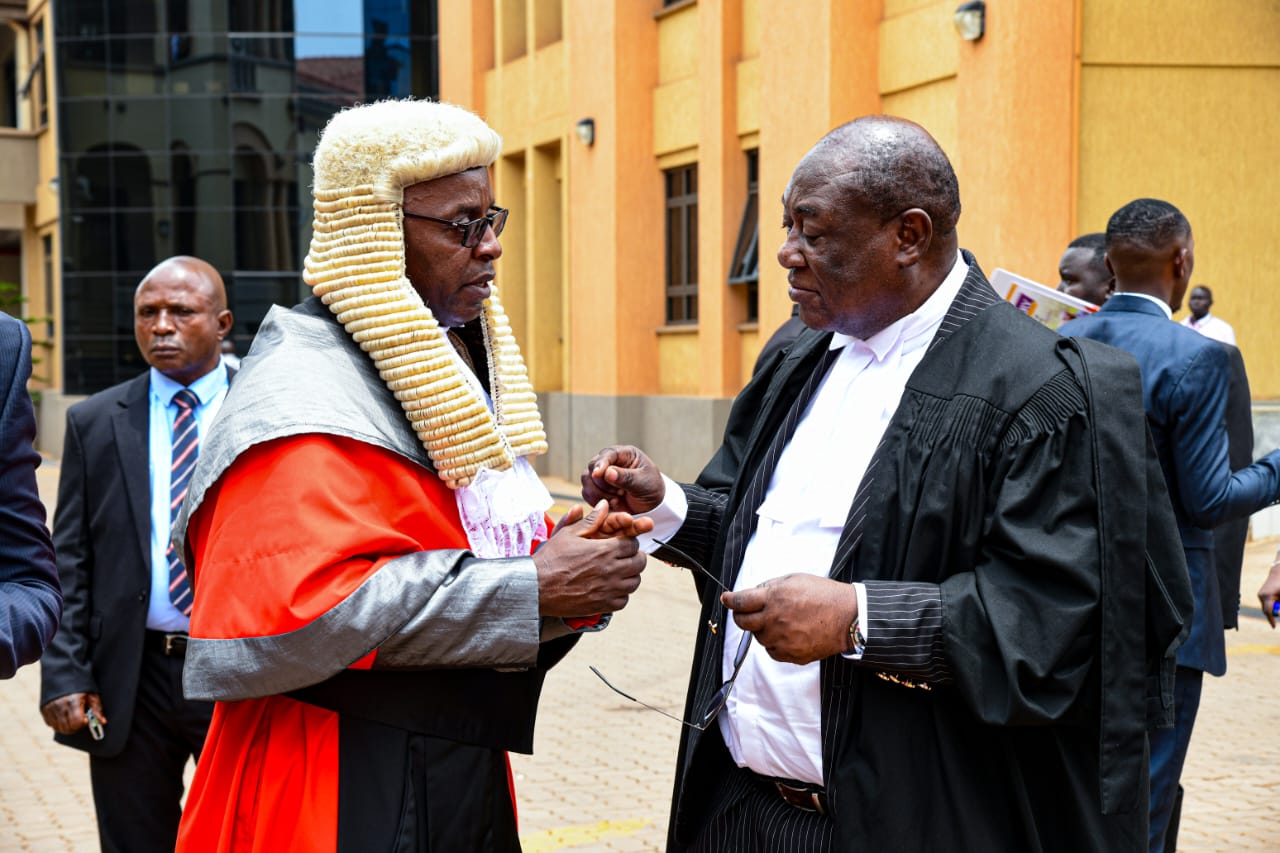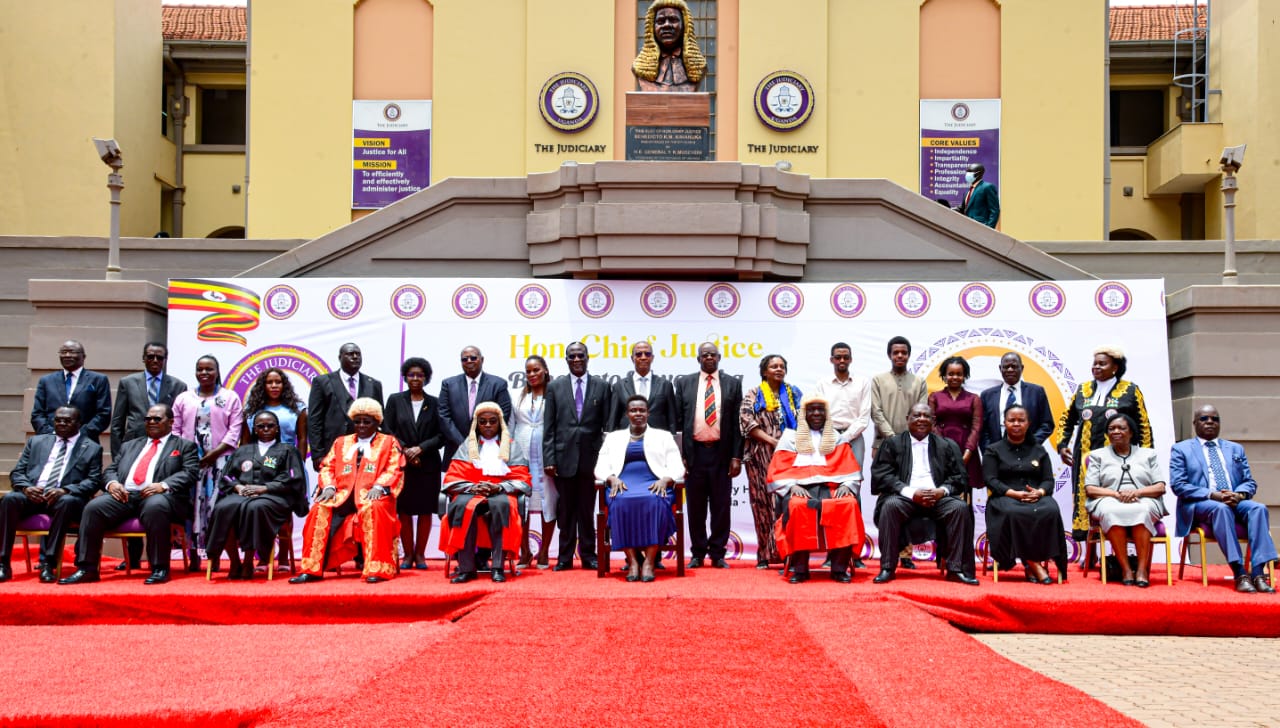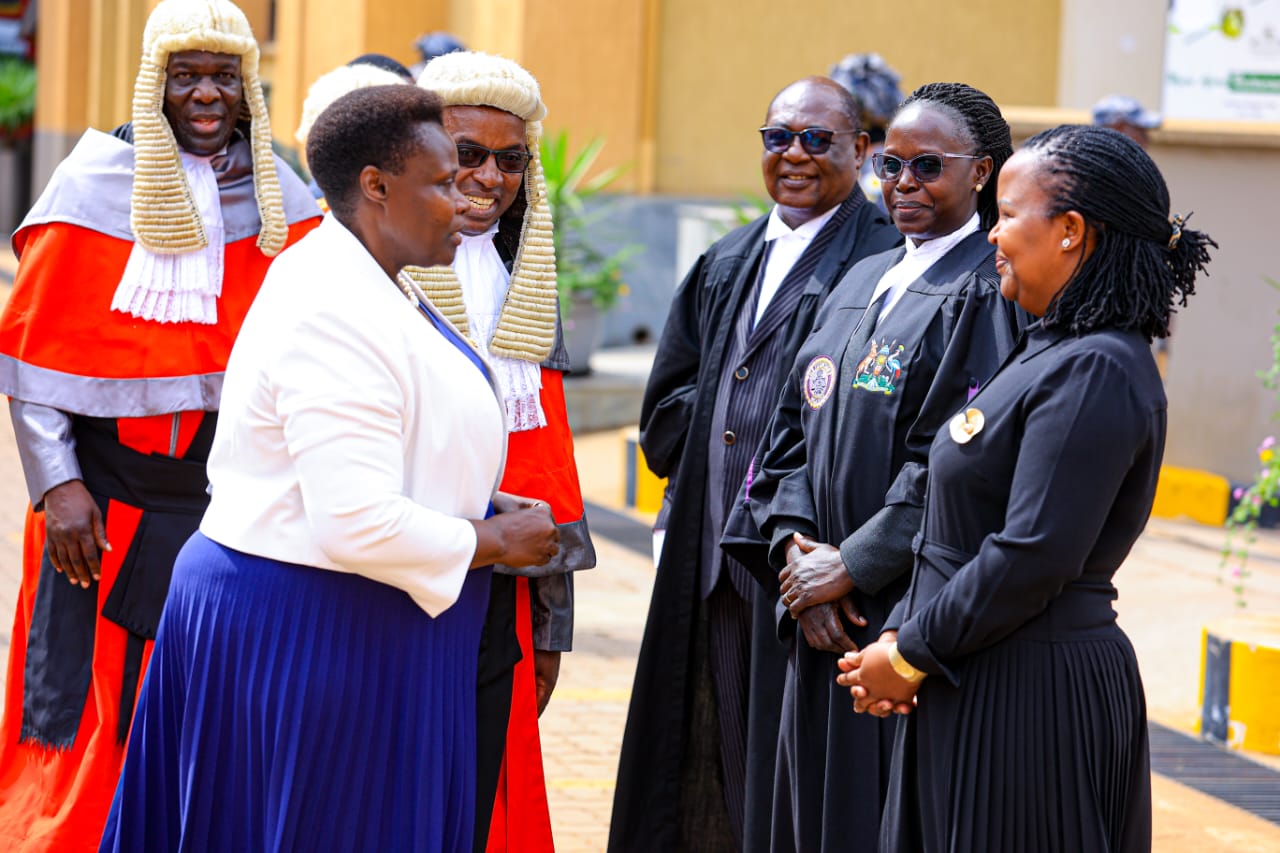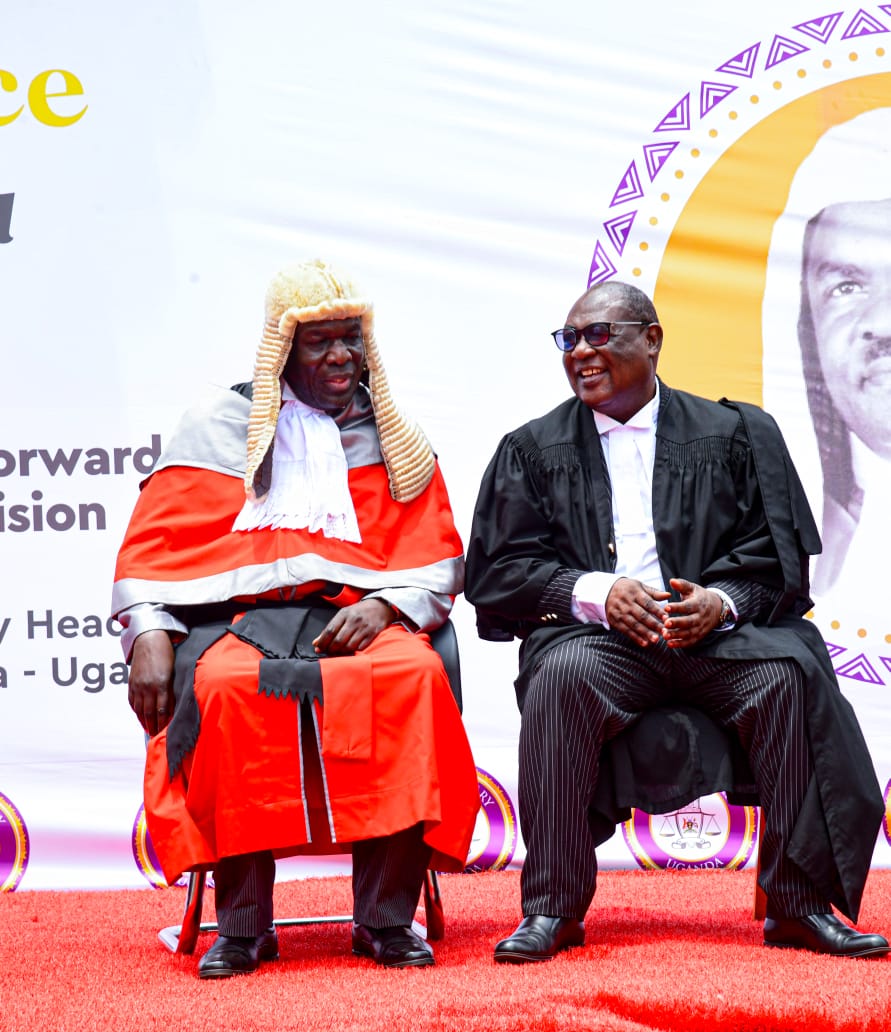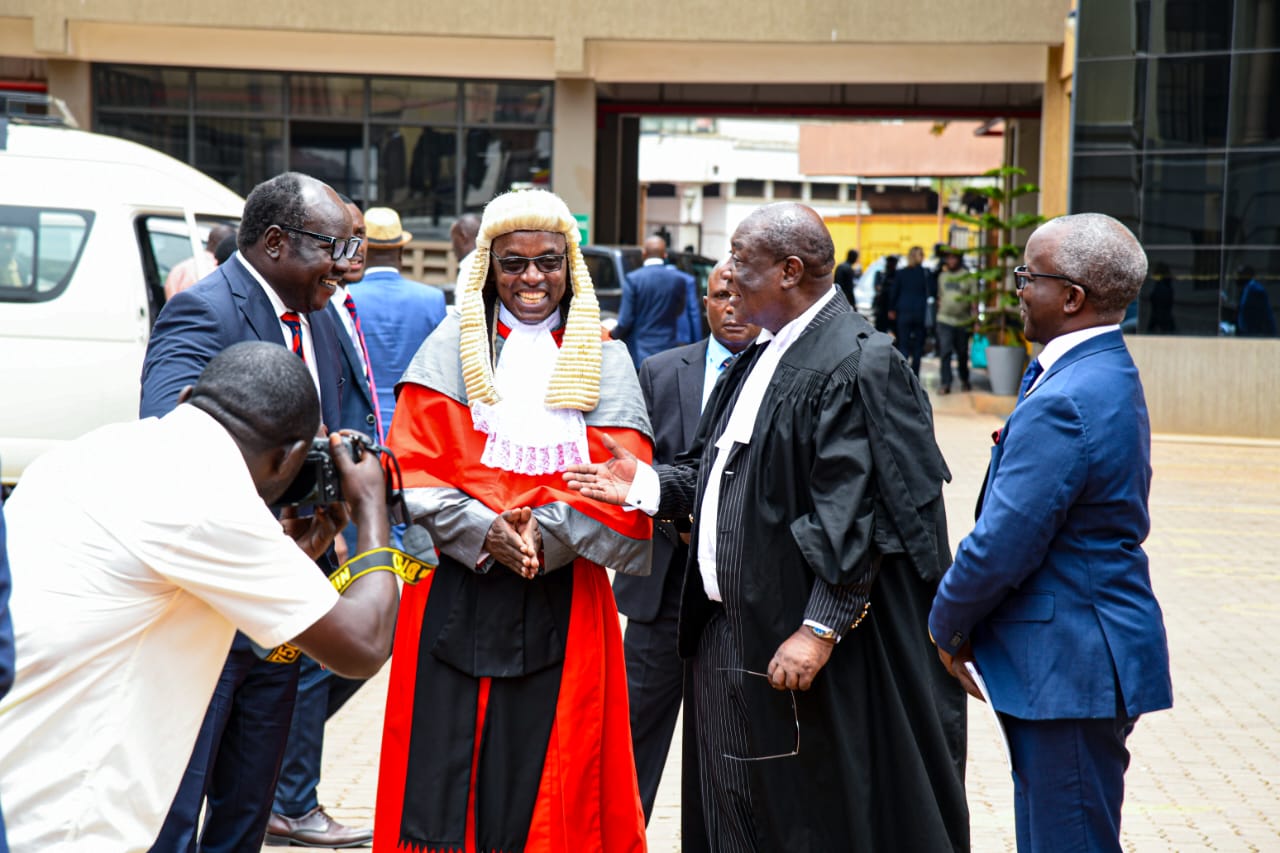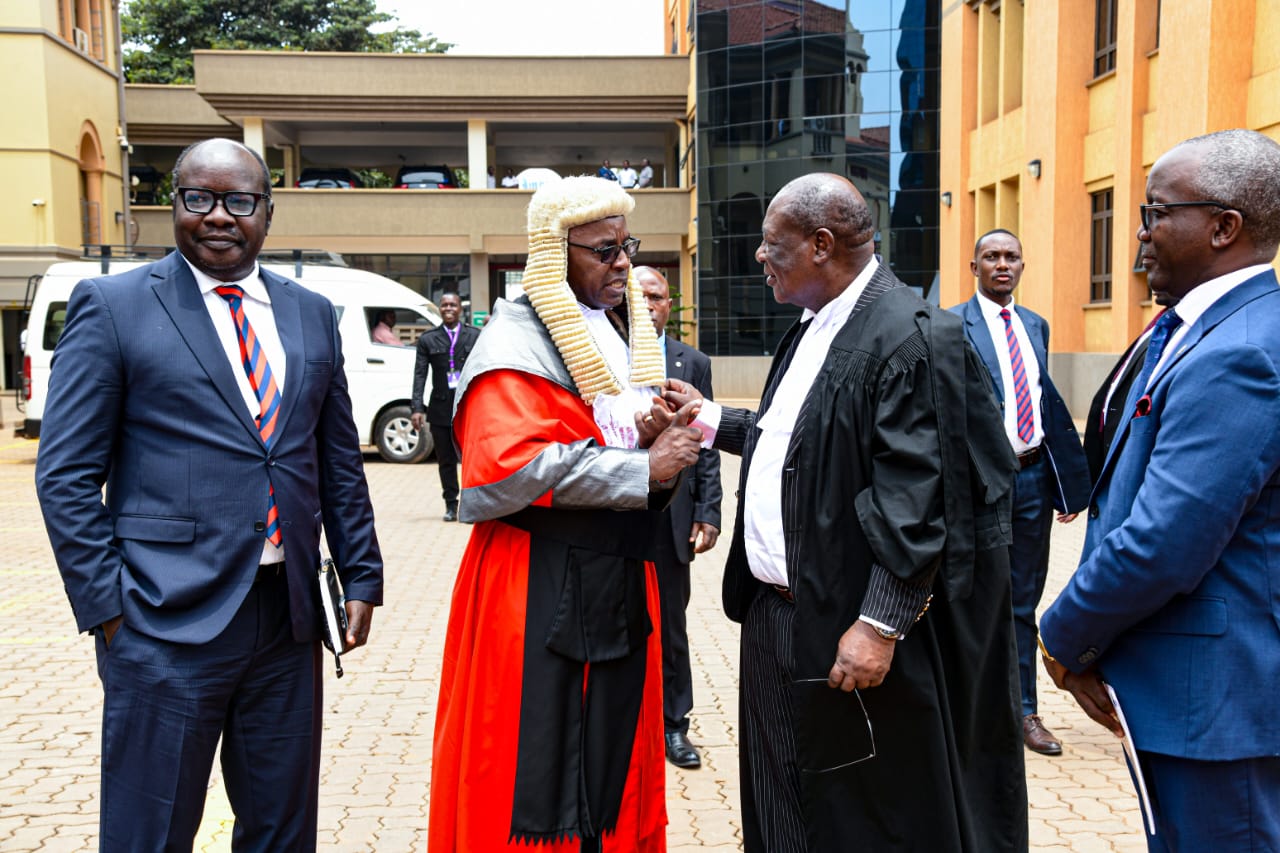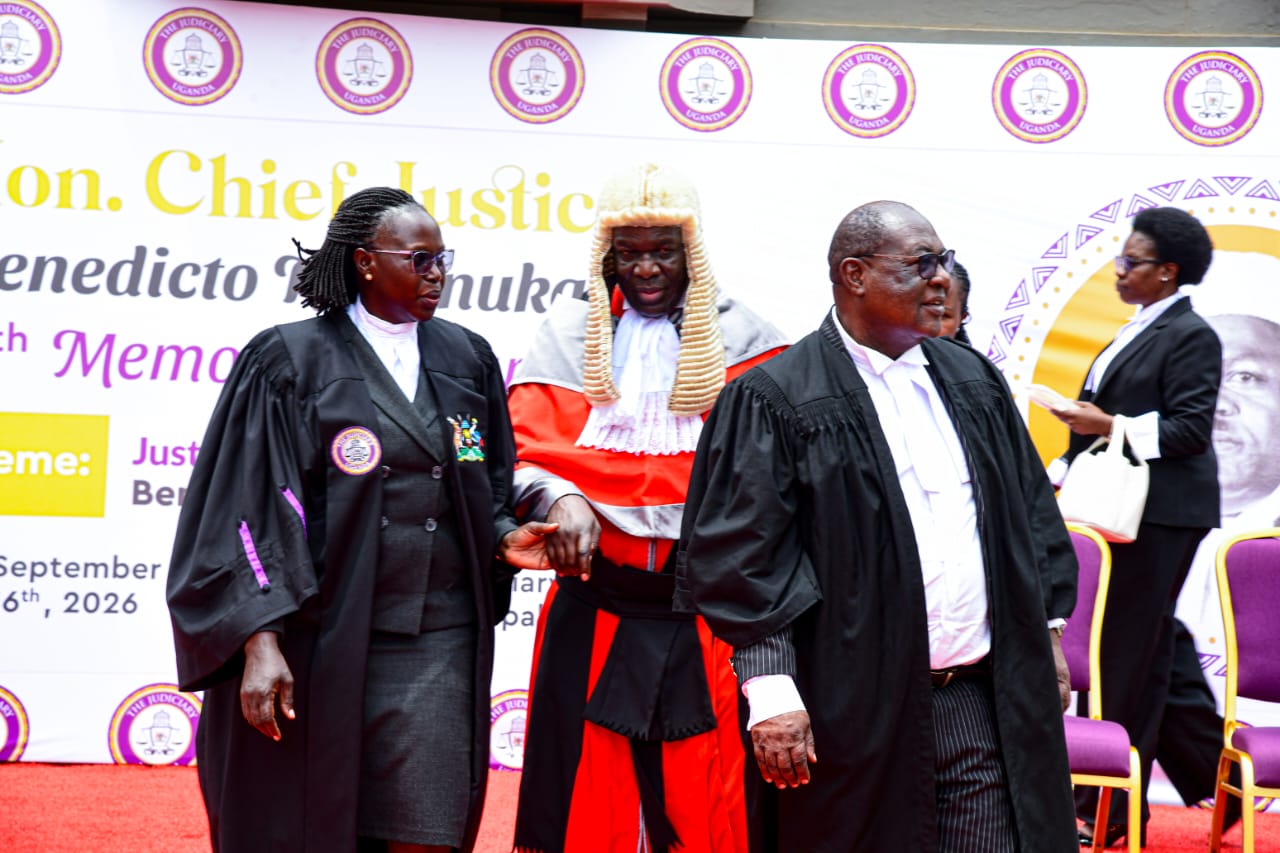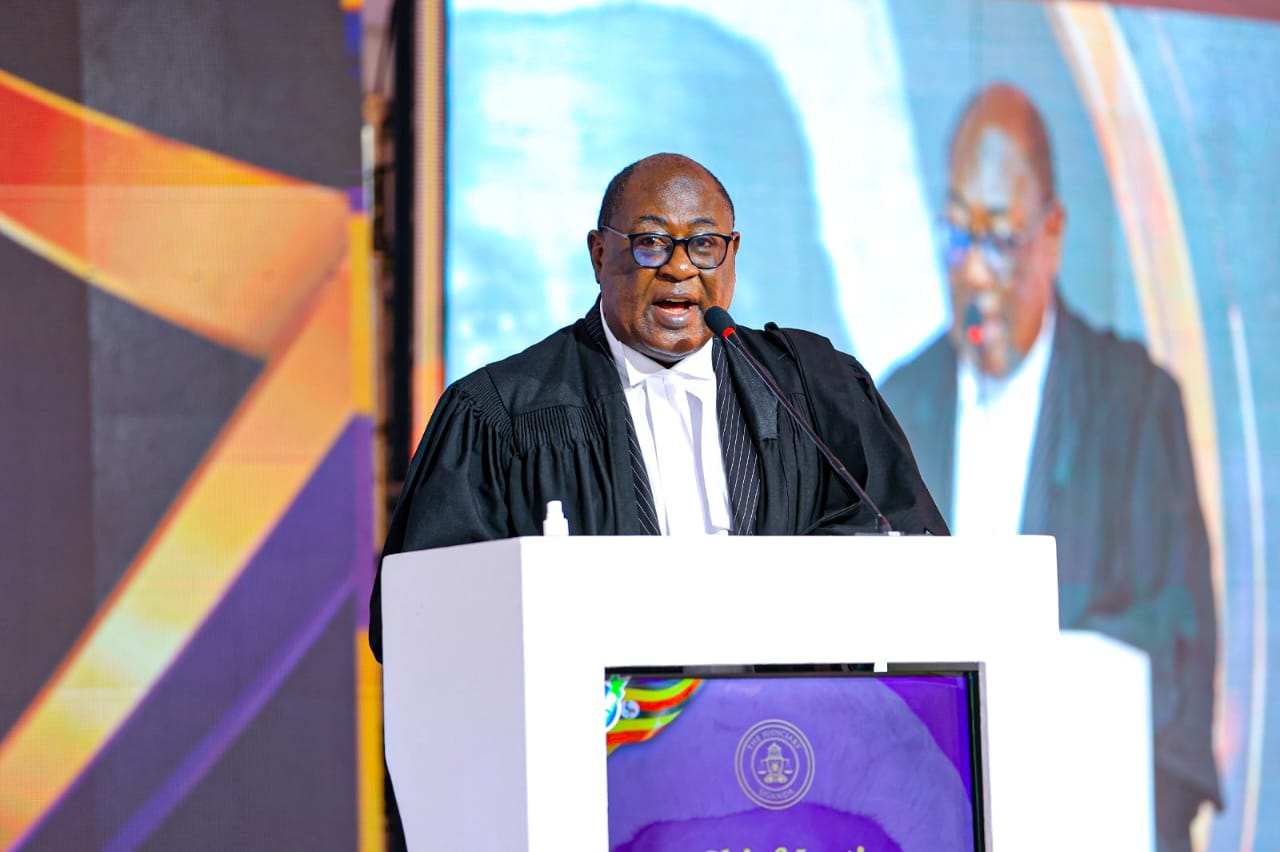
The Attorney General of Uganda, Hon. Dr. Sam Mayanja has called for renewed commitment to meaningful access to justice, constitutionalism and the rule of law as Uganda commemorated the 9th Benedicto Kiwanuka Memorial Lecture organised by the Judiciary.
The lecture, held under the theme “Justice for All: Carrying Forward Benedicto Kiwanuka’s Vision,” brought together members of the Judiciary, Government, Parliament, the legal profession, the Justice, Law and Order Sector, the diplomatic community, the Benedicto Kiwanuka family and other distinguished guests to reflect on the life and enduring legacy of Uganda’s first African Chief Justice.
In his address, the Attorney General described Benedicto Kiwanuka as an icon of justice, constitutionalism and the rule of law, whose life demonstrated that public office is fundamentally a public trust.
He noted that Kiwanuka’s commitment to justice was not one of convenience, but a conviction that endured even when defending the Constitution and the rule of law came at great personal cost.
“Benedicto Kiwanuka understood that the rule of law cannot survive where institutions bend according to the identity, status or power of the person standing before them,” the Attorney General said.
Hon. Mayanja emphasised that Kiwanuka’s legacy extends beyond the Judiciary and is a responsibility shared by the Executive, Legislature, legal profession, civil society, academia and citizens.
The Attorney General observed that justice for all must go beyond the mere existence of courts, laws and lawyers. It must be experienced by ordinary citizens, without discrimination and without barriers that make justice inaccessible in practice.
He identified poverty, geographical distance, limited legal awareness, delays in the administration of justice, the cost of legal representation, language barriers and the complexity of legal processes among the challenges that continue to affect access to justice.
“Carrying forward Benedicto Kiwanuka’s vision requires us to move beyond a formal understanding of access to justice and towards meaningful access to justice,” he said.
Government’s responsibility under the law
Reflecting on his responsibility, Hon. Sam Mayanja pointed to the constitutional mandate of the Office under Article 119 of the Constitution, including providing legal advice to Government and representing Government in legal proceedings.
He stressed that this responsibility must be exercised with the understanding that Government itself is subject to the Constitution and the law.
He noted that the role of Government Legal Officers should therefore go beyond defending Government positions to ensuring that Government actions and decisions are legally sound, constitutionally compliant and consistent with the public interest.
“We must never become so concerned with winning cases that we forget the broader duty of ensuring justice,” he said.
The Attorney General called for strong, independent and accountable institutions, noting that the Judiciary, legal profession, prosecution and investigative institutions, Government, Parliament and citizens all have a role to play in advancing justice.
He emphasised that no single institution can deliver justice for all, describing justice as a collective national responsibility requiring cooperation, mutual respect among institutions and an unwavering commitment to constitutional governance.
Justice must leave no one behind
The Attorney General also highlighted the need to ensure that efforts to modernise the justice system do not create new barriers for vulnerable communities.
As technology and innovation increasingly shape the delivery of public services, he called for deliberate measures to ensure that poor and rural communities, persons with disabilities and other vulnerable groups are not left behind.
He further underscored the importance of legal awareness and civic education in enabling citizens to understand and exercise their rights.
The Attorney General identified five enduring principles necessary to carry forward Kiwanuka’s vision: strengthening access to justice; strengthening the rule of law and constitutionalism; protecting institutional independence and integrity; investing in legal awareness and civic education; and cultivating courage and integrity in public service.
He said the most meaningful way to honour Benedicto Kiwanuka was not simply to remember his life, but to deliberately continue the principles for which he stood.
Hon. Mayanja called for institutions that outlive individuals, courts where every person can expect to be heard, public officials who exercise power with humility and accountability, and a legal system in which citizens, regardless of their social or economic standing, can have confidence that the law will protect them.
“The Constitution must be treated not as a document to be invoked selectively, but as the supreme framework by which all public power is exercised,” he said.
Reflections on justice and Uganda’s future
The Chief Justice, Hon. Justice Dr. Flavian Zeija, who welcomed guests to the commemoration, described the occasion as an opportunity not only to remember Benedicto Kiwanuka but also to reflect on the kind of Uganda and justice system the country seeks to bequeath to future generations.
He emphasised that justice cannot be meaningful if it is accessible only to people with greater financial means, social influence, educational advantage or geographical access.
The Chief Justice noted that the true measure of justice goes beyond the statistical disposal of cases to whether the person who comes before court experiences the process as fair, impartial, accessible and worthy of public confidence.
The Chief Guest, H.E. Maj. (Rtd) Jessica Alupo, who represented H.E. Yoweri Kaguta Museveni, President of the Republic of Uganda, also reflected on the importance of understanding Uganda’s history and the journey of its institutions.
She noted that the country’s development and the implementation of the Tenfold Growth Strategy require fair and timely justice, as justice, peace and stability are fundamental to national development.
The keynote speaker, Ms. Margaret Sekaggya, similarly underscored the importance of ensuring that justice is administered and delivered to all irrespective of social or economic status.
She called for timely justice, adequate compensation for victims of wrongs, reconciliation between parties and the administration of substantive justice without undue regard to technicalities, in line with Article 126(2) of the Constitution.
The commemoration served as a reminder that the legacy of Benedicto Kiwanuka remains relevant to Uganda’s continuing efforts to strengthen constitutional governance, access to justice and public confidence in institutions.
In concluding his address, the Attorney General called upon all those entrusted with public service to renew their commitment to the values Kiwanuka represented; courage, integrity, constitutionalism, independence and justice.
“May the legacy of Benedicto Kiwanuka continue to inspire courage in those who serve. May it strengthen our institutions. May it guide our decisions. And may it remind us, in every generation, that there can be no lasting peace, democracy or development without justice.”