

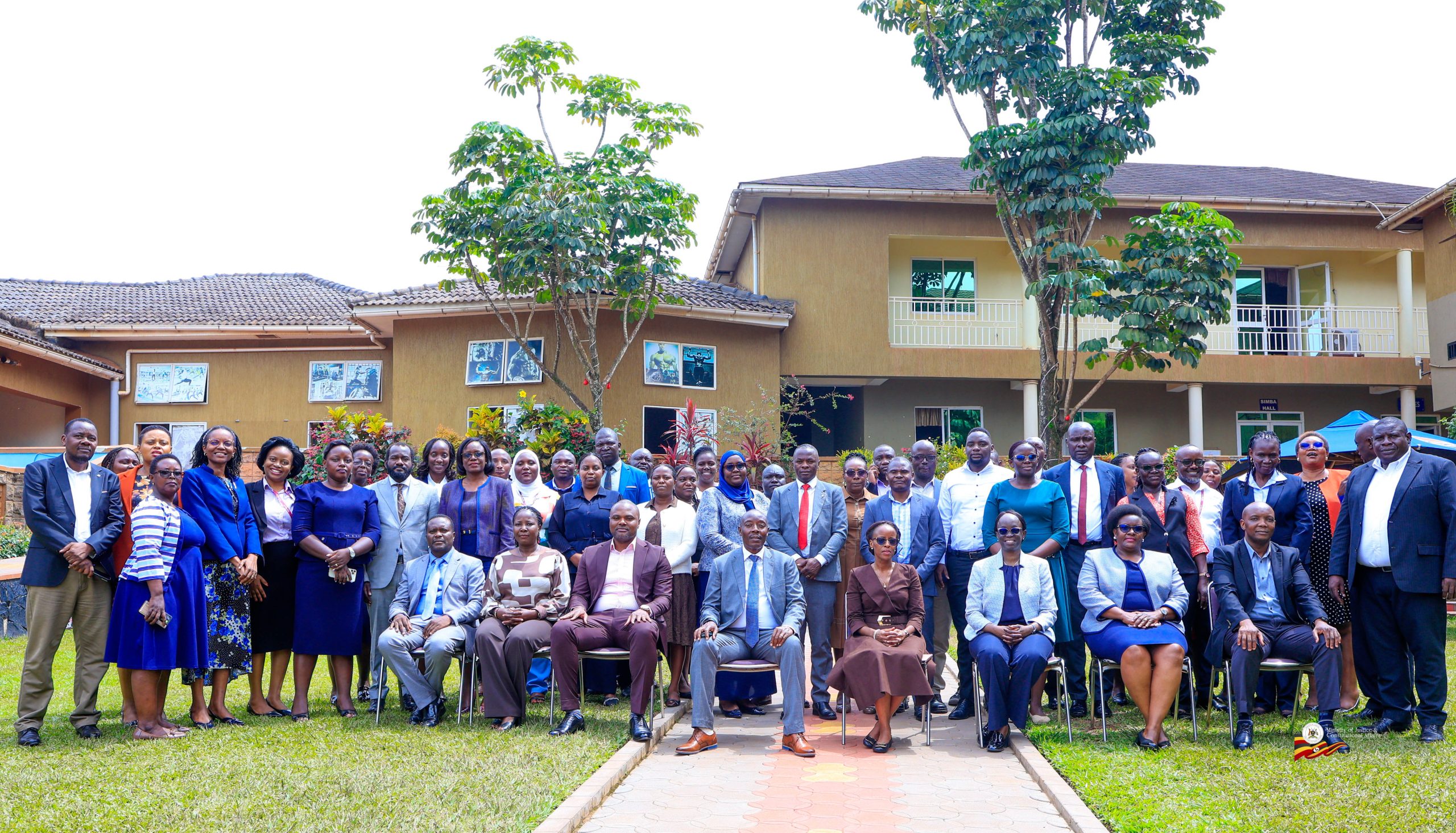
The Ministry of Justice and Constitutional Affairs (MoJCA) has commenced a three-day workshop to prepare its Budget Framework Paper and preliminary budget estimates for the Financial Year 2027/2028, with a focus on prioritising essential services, aligning interventions with national development priorities and ensuring value for money.
The workshop, taking place at Rider Hotel in Mukono from Wednesday, 21 October, to Friday, 23 October 2026, brings together heads of departments, regional offices and technical officers to review priorities and develop realistic, measurable and affordable budget proposals.
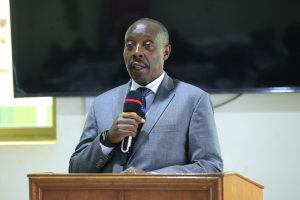
Opening the workshop, Permanent Secretary Robert Kasande emphasised the need to align the Ministry’s budget priorities with the Fourth National Development Plan (NDP IV), the Ten-Fold Growth Strategy and other national development priorities, particularly in agriculture, tourism, minerals and science.
He noted that legal services play a critical role in enabling national development by supporting contractual arrangements, facilitating investment and ensuring that government programmes are implemented within the law.
The Permanent Secretary revealed that the national resource envelope had reduced by approximately UGX 5.17 trillion, from UGX 84.39 trillion in the current financial year to UGX 79.22 trillion for FY 2027/2028.
Against this background, the Ministry is beginning the planning cycle with a resource envelope of UGX 148.554 billion, comprising UGX 34.91 billion for wages, UGX 97 billion for non-wage recurrent expenditure and UGX 16.36 billion for development expenditure.
He urged departments and regional offices to prioritise statutory obligations and essential services, eliminate duplication and ensure that all proposed activities are properly costed and linked to measurable outputs.
“ No budget, no commitment,” he emphasised, calling for strict adherence to approved budgets, authorised cash limits and realistic procurement and cash flow plans. He also cautioned against creating domestic arrears and relying on supplementary funding to meet avoidable budget shortfalls.
On service delivery, the Permanent Secretary stressed the importance of accountability, professionalism and effective time management, particularly in regional offices. He called on officers to observe official working hours and ensure that services are delivered promptly and consistently.
He further urged departments to identify opportunities to improve non-tax revenue collections and develop evidence-based projections to strengthen the Ministry’s resource mobilisation efforts.
Addressing the operational needs of regional offices, he emphasised that essential fixed costs, including rent, electricity and water, must be prioritised. He also noted that the Ministry would pursue the phased construction of regional offices, urging the relevant offices to ensure that acquired or proposed land is properly titled.
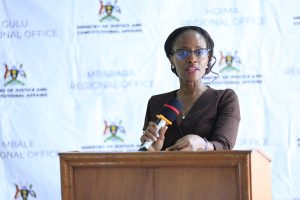
Representing the Solicitor General, Director of First Parliamentary Counsel Irene Luyigazi underscored the importance of translating budget allocations into improved legal services and measurable results.
She called on legal advisory teams to provide timely, consistent and well-researched opinions, review contracts effectively and identify legal risks early, particularly in public investments, procurement and contractual commitments.
She also emphasised the need for quality and timely legislative drafting, effective case management in civil litigation and arbitration, and greater use of alternative dispute resolution in line with the National ADR Policy 2025.
The remarks further highlighted the responsibilities of the Administrator General and the Law Council in improving estate administration, regulating the legal profession and expanding access to legal services.
Regional offices were urged to demonstrate tangible improvements in accessibility, responsiveness and service quality, while all departments were encouraged to develop budget proposals based on actual workloads, outstanding cases, service delivery needs and measurable outputs.
The workshop is expected to produce prioritised interventions, credible preliminary budget estimates, costed outputs and evidence-based funding gaps to guide the Ministry’s FY 2027/2028 planning process.
The Ministry’s Budget Framework Paper is scheduled for submission to the Governance and Security Programme Secretariat in early November, ahead of onward submission to the Ministry of Finance, Planning and Economic Development.